
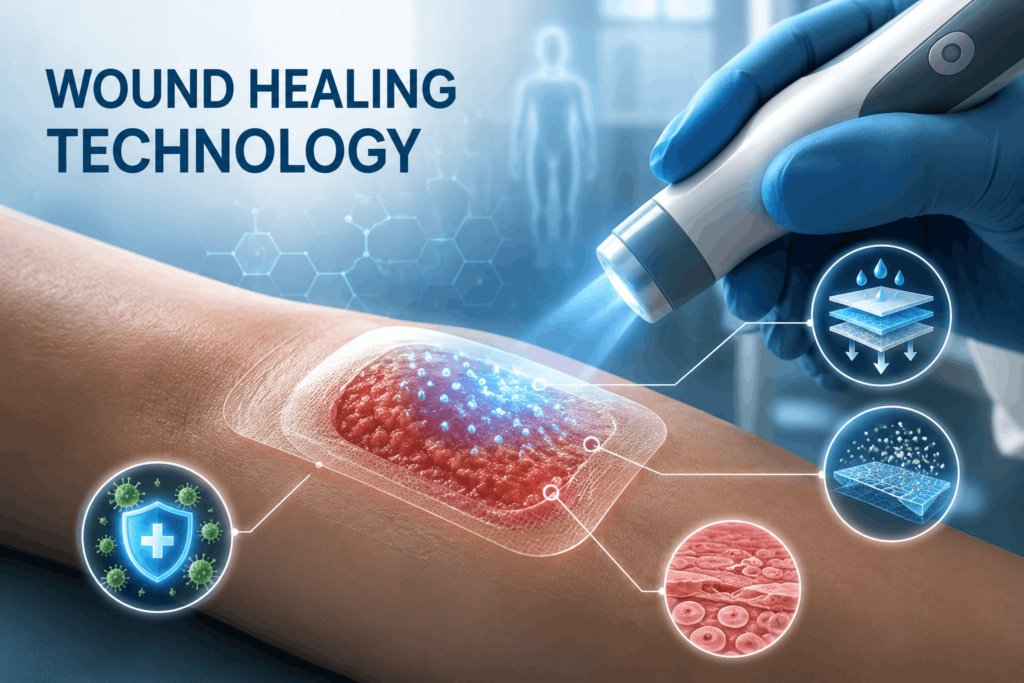
Wound healing technology has experienced remarkable advancements over the past few years, making patient care faster, safer, and more effective than ever before. In 2026, healthcare providers are increasingly relying on innovative wound management solutions that support faster tissue regeneration, reduce infection risks, and improve overall treatment outcomes. From advanced dressings to intelligent monitoring systems, modern wound care is transforming how both acute and chronic wounds are treated across hospitals, clinics, and home healthcare settings.
As the demand for better patient outcomes continues to grow, healthcare organizations are investing in innovative wound healing technologies that combine clinical expertise with cutting-edge medical devices. Companies like Mel Health Tech are helping healthcare professionals access advanced wound care solutions that improve treatment efficiency while supporting patient comfort. Understanding these innovations allows healthcare providers and patients to make informed decisions that lead to better healing experiences.
Understanding Modern Wound Healing Technology
wound healing technology refers to the advanced medical products, devices, and treatment methods designed to accelerate the body’s natural healing process. Unlike traditional wound care, modern technologies focus on creating an ideal healing environment that promotes tissue regeneration while minimizing infection, pain, and complications.
These technologies are suitable for treating various types of wounds, including surgical wounds, diabetic foot ulcers, pressure injuries, burns, traumatic injuries, and chronic non-healing wounds. By combining medical science with innovative engineering, today’s wound care solutions deliver more predictable and effective healing outcomes for patients of all ages.
Why Advanced Wound Care Matters in 2026
The healthcare industry is witnessing a growing number of patients with chronic wounds due to aging populations, diabetes, obesity, and vascular diseases. These conditions require specialized wound care solutions that go beyond conventional dressings. Advanced wound healing technology addresses these challenges by supporting faster recovery while reducing hospital stays and treatment costs.
Modern wound care also improves the patient’s quality of life by reducing pain, minimizing dressing changes, and lowering the risk of infection. Healthcare professionals benefit from evidence-based technologies that simplify wound assessment and improve treatment planning. As a result, advanced wound healing has become an essential component of high-quality patient care in 2026.
Key Innovations in Wound Healing Technology
1. Advanced Moisture-Balancing Dressings
One of the biggest innovations in wound healing technology is the development of advanced dressings that maintain the perfect moisture balance. Maintaining adequate moisture encourages faster tissue regeneration while preventing the wound from drying out or becoming excessively wet.
These modern dressings are designed to absorb excess fluid, protect surrounding skin, and create an ideal environment for natural healing. They also reduce the frequency of dressing changes, making treatment more comfortable for patients while lowering healthcare costs.
2. Antimicrobial Wound Care Solutions
Infections remain one of the most significant obstacles to successful wound healing. Modern antimicrobial wound care products help reduce bacterial growth without damaging healthy tissue. These advanced solutions provide continuous protection against harmful microorganisms while supporting natural healing processes.
Healthcare professionals increasingly prefer antimicrobial technologies because they help decrease complications, shorten recovery times, and reduce the need for additional medical interventions. Effective infection management remains one of the most important aspects of successful wound care.
3. Negative Pressure Wound Therapy
Negative Pressure Wound Therapy (NPWT) has become one of the most effective treatment options for complex and chronic wounds. This technology applies controlled suction to the wound, helping remove excess fluid while promoting healthy tissue formation.
The controlled environment created by NPWT supports improved blood circulation and encourages faster healing. It is commonly used for surgical wounds, traumatic injuries, diabetic ulcers, and pressure ulcers where advanced healing support is required.
4. Smart Wound Monitoring Technology
Digital healthcare has introduced smart wound monitoring systems that allow clinicians to track wound healing more accurately. These innovative technologies help monitor factors such as wound temperature, moisture levels, healing progress, and infection indicators without disturbing the wound unnecessarily.
Real-time monitoring enables healthcare professionals to make faster clinical decisions and adjust treatment plans when needed. This personalized approach leads to improved patient outcomes and more efficient wound management.
5. Bioactive and Regenerative Wound Care
Regenerative medicine continues to shape the future of wound healing. Bioactive wound care technologies are designed to stimulate the body’s own repair mechanisms by supporting cell growth and tissue regeneration.
Instead of simply covering the wound, these advanced therapies actively participate in the healing process. They are especially valuable for patients with chronic wounds that have not responded well to traditional treatment methods.
The Role of Artificial Intelligence in Wound Care
Artificial Intelligence (AI) is becoming an important part of wound assessment and clinical decision-making. AI-powered software can analyze wound images, estimate wound dimensions, monitor healing progression, and assist healthcare providers in selecting appropriate treatment strategies.
These intelligent systems improve diagnostic accuracy while reducing human error. They also support standardized wound documentation, making communication among healthcare teams more efficient. As AI technology continues to evolve, it will play an even greater role in personalized wound management.
Benefits of Modern Wound Healing Technology
Advanced wound healing technology offers numerous advantages for both patients and healthcare providers. Faster healing times help patients return to their normal daily activities sooner while reducing physical discomfort. Improved infection control significantly lowers the risk of complications that could delay recovery.
Healthcare facilities also benefit from reduced treatment costs, shorter hospital stays, and more efficient use of medical resources. Patients experience fewer dressing changes, enhanced comfort, and greater confidence throughout the healing process. These combined benefits demonstrate why modern wound care technologies have become an essential investment for healthcare organizations.
Home-Based Wound Care is Growing
Home healthcare has become increasingly important in 2026. Many patients now receive advanced wound care treatments in their homes with guidance from healthcare professionals. Portable wound care technologies allow patients to continue effective treatment outside hospital settings while maintaining high standards of care.
Remote monitoring solutions further improve home-based treatment by allowing clinicians to review healing progress without requiring frequent in-person visits. This approach offers greater convenience for patients while reducing the burden on healthcare facilities.
Choosing the Right Wound Healing Technology
Selecting the appropriate wound care solution depends on several important factors. Healthcare professionals carefully evaluate the wound type, severity, infection status, patient health, and underlying medical conditions before recommending a treatment plan.
Every patient heals differently, making personalized wound management essential. Using clinically proven technologies and following evidence-based treatment protocols ensures the best possible outcomes. Working with experienced healthcare solution providers also helps medical facilities access high-quality wound care products that meet modern clinical standards.
How Mel Health Tech Supports Advanced Wound Care
As healthcare technology continues to evolve, Mel Health Tech remains committed to supporting healthcare providers with reliable and innovative wound care solutions. By focusing on quality, safety, and clinical performance, Mel Health Tech helps medical professionals deliver improved patient care across various healthcare environments.
Healthcare organizations benefit from access to advanced wound management technologies that support faster healing, improved infection control, and enhanced patient comfort. With a strong commitment to innovation and patient-centered care, Mel Health Tech contributes to the continued advancement of modern wound healing practices in 2026.
Future Trends in Wound Healing Technology
The future of wound healing technology looks exceptionally promising. Researchers continue developing smarter materials, personalized treatment solutions, advanced biomaterials, and digital health platforms that further improve patient outcomes.
Wearable wound monitoring devices, regenerative therapies, predictive analytics, and integrated healthcare systems are expected to become increasingly common over the coming years. These innovations will continue transforming wound management into a more precise, efficient, and patient-focused field of medicine.
Healthcare providers that adopt these advanced technologies will be better equipped to meet growing patient demands while maintaining high standards of clinical care. Continuous innovation will remain the driving force behind improved wound healing outcomes worldwide.
Conclusion
Wound healing technology in 2026 represents a major advancement in modern healthcare. From intelligent wound monitoring and advanced dressings to regenerative therapies and AI-assisted assessment, today’s innovations are transforming patient care in remarkable ways. These technologies not only accelerate healing but also improve patient comfort, reduce complications, and support better long-term health outcomes.
As healthcare continues to embrace innovation, organizations require trusted partners that understand the importance of quality wound care solutions. Mel Health Tech continues to support this transformation by providing advanced wound care technologies that help healthcare professionals deliver safer, more efficient, and patient-centered treatment. Investing in modern wound healing technology today is an important step toward achieving better clinical outcomes and improving the future of patient care.
Frequently Asked Questions (FAQs)
1. What is wound healing technology?
Wound healing technology includes advanced medical products, devices, and treatment methods that help wounds heal faster while reducing infection risks and improving patient outcomes.
2. Why is advanced wound care important?
Advanced wound care promotes faster healing, reduces complications, minimizes pain, lowers infection rates, and improves the overall quality of patient care.
3. Which wounds benefit from advanced wound healing technology?
These technologies are commonly used for diabetic ulcers, pressure ulcers, surgical wounds, burns, traumatic injuries, and chronic non-healing wounds.
4. How does smart wound monitoring improve treatment?
Smart monitoring provides real-time information about wound conditions, allowing healthcare professionals to detect problems early and adjust treatment accordingly.
5. Can advanced wound care reduce hospital stays?
Yes. Faster healing and better infection control often lead to shorter hospital stays and lower overall healthcare costs.
6. What role does Mel Health Tech play in wound care?
Mel Health Tech supports healthcare providers by offering advanced wound care solutions that enhance healing, improve patient comfort, and promote high-quality clinical outcomes.
7. What is the future of wound healing technology?
Future developments include AI-powered diagnostics, regenerative medicine, wearable monitoring devices, personalized wound care, and smarter medical materials that further improve patient recovery.